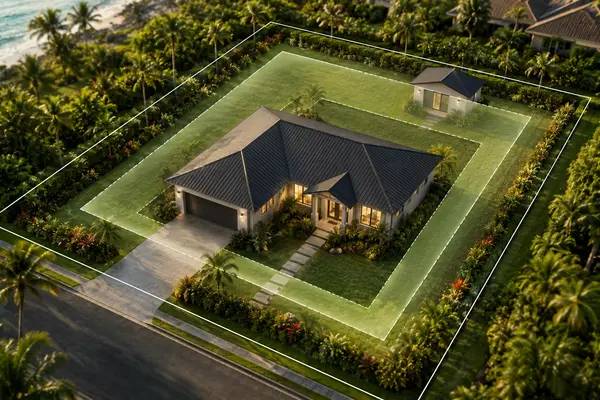
What Do Home Inspectors Look For on Kauai?
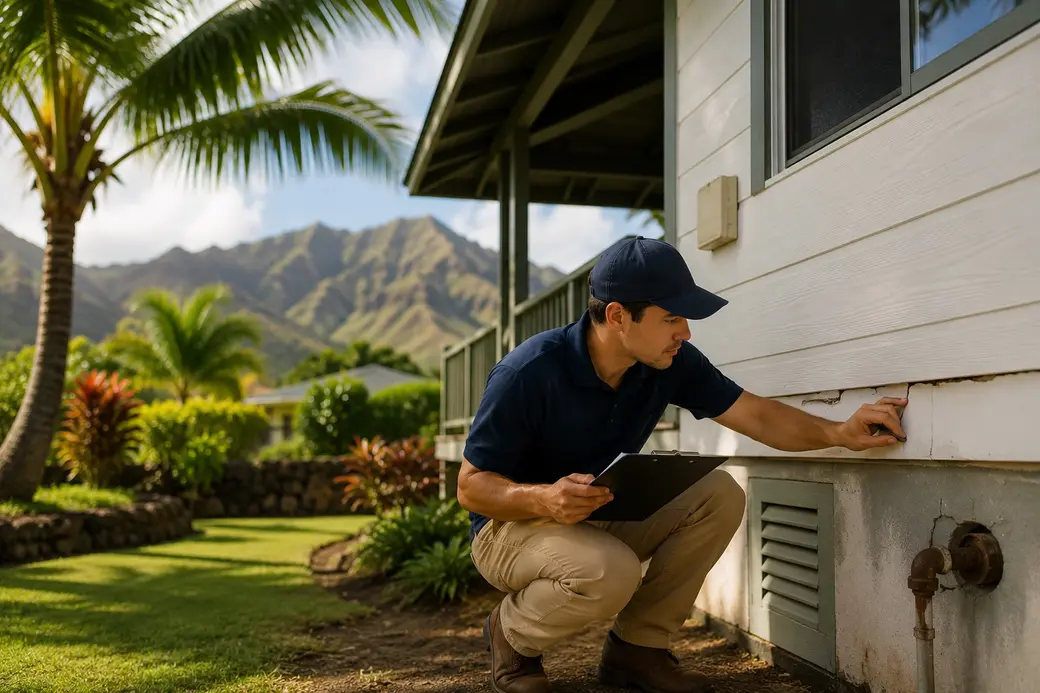
Short answer: Kauaʻi home inspectors focus heavily on things the mainland doesn't have to worry about as much: termite activity, wear from sun, rain, and salt air on the roof and exterior, moisture and mold, proper electrical operation, and verifying plumbing is working properly with no active leaks, often using moisture detection devices to confirm walls and surrounding areas are actually dry. One important thing to know upfront: Hawaii does not license home inspectors at all, so vetting who you hire matters more here than in most states, though voluntary certifications do exist and are worth looking for. Termite inspection is the exception, those inspectors are separately licensed by the state, and a termite inspection is required for VA financing on essentially every property in Hawaii. Septic and cesspool systems are typically evaluated by a separate specialist, not as part of the general inspection.
5 minute read: Below I'll walk through what inspectors actually check for here, why Hawaii's lack of inspector licensing matters, and how the inspection period actually works in a Hawaii purchase contract.
Why This Matters
Understanding how inspections actually work here protects your ability to negotiate and, if needed, walk away:
- Hawaii's inspection contingency period is your clearest opportunity to cancel the contract and get your deposit back, but only within a limited window
- Since general home inspectors aren't state-licensed, the quality of who you hire varies more than buyers expect
- Termite issues are common enough in Hawaii that a termite inspection can affect your financing, not just your peace of mind
- Kauaʻi's climate creates specific, recurring issues that a generic mainland inspection checklist might miss
In Plain English
Think of a home inspection on Kauaʻi as translating the island's climate into a checklist. Salt air, humidity, and year-round moisture do things to a house that a dry, inland mainland climate simply doesn't, so a good local inspector is really reading the specific ways this island's weather has interacted with this particular property over time.
The Details
Hawaii Does Not License Home Inspectors
Hawaii is one of only 14 states with no state licensing requirement for general home inspectors. A state legislative assessment specifically found insufficient evidence to justify regulating the profession. In practice, this means anyone can call themselves a home inspector here, regardless of training. That said, voluntary certifications do exist, and it's genuinely worth looking for them. InterNACHI and ASHI (the American Society of Home Inspectors) are the two most recognized organizations, though their top credentials differ in what they actually require: ASHI's full certification requires 250 completed, paid inspections and passing a national exam, while InterNACHI's entry certification is coursework and exam based, without a completed-inspection requirement. Beyond either of those, the Certified Master Inspector (CMI) designation, awarded independently by the Master Inspector Certification Board, generally requires 1,000 or more completed, paid inspections, several years of full-time experience, and no unresolved ethics complaints. It's not simply a tier within ASHI or InterNACHI, it's a separate, further credential built on substantial real-world experience regardless of which organization an inspector originally trained through.
What Kauaʻi Inspectors Specifically Look For
Beyond the standard structural, electrical, and plumbing review, island-specific inspections commonly focus on:
- Termite activity — Hawaii carries an exceptionally high termite risk, and this is one of the most consequential findings an inspection can turn up, though termites are genuinely common here and finding evidence of them doesn't mean a property is a bad buy. A general home inspector on Kauaʻi will typically note that a property shows evidence of possible termite activity rather than confirm active infestation themselves, and will recommend a licensed termite specialist to make that determination. Widespread drywood termite infestations are commonly resolved with tent fumigation, while subterranean, or ground, termites are usually treated differently, through soil or baiting treatments
- Wear from the elements — sun, rain, and salt air all accelerate corrosion and wear on roofing, exterior surfaces, and metal fixtures compared to drier mainland climates
- Moisture and mold — Kauaʻi's humidity and rainfall make this a recurring, genuinely important area of concern
- Proper electrical operation — a thorough inspection checks that the electrical panel and wiring are functioning correctly, including verifying that breakers aren't double-tapped, meaning two wires improperly connected to a single breaker terminal not rated for it, a real fire safety concern
- Plumbing function and active leaks — inspectors verify that plumbing is operating properly and check for active leaks, often using moisture detection devices to confirm that walls and surrounding areas are actually dry, not just visibly fine
- Aging or outdated systems — electrical and plumbing systems in older island homes are worth a close look given the climate's cumulative wear
Why Termite Inspections Carry Extra Weight Here
If you're financing with a VA loan, a wood-destroying pest inspection is required on essentially all Hawaii residential properties, including condos five stories or under, because the VA classifies Hawaii's termite risk as exceptionally high. Even outside VA financing, a termite inspection report is a standard part of most Hawaii purchase contracts. If the report reveals live termites, the seller typically pays for the recommended treatment before closing, and buyers are generally not obligated to complete the purchase unless a clean report is received or treatment is confirmed shortly before closing.
How the Inspection Period Actually Works
Hawaii's standard purchase contract includes an inspection contingency period, commonly called the "J-1 Period," giving the buyer a window, typically 14 days, though it's negotiable, to inspect the property and cancel the contract for any reason with a full refund of the earnest money deposit. Once this period closes, canceling and recovering your deposit becomes significantly harder. If the property is part of an HOA or condo association, a separate document review period applies, the seller provides governing documents, bylaws, financials, meeting minutes, on their own timeline, and the buyer gets a further window to review those documents before that specific contingency closes.
Before Your Inspection Period Closes
- Confirm your inspector's actual certifications, since Hawaii doesn't license this profession
- Order a separate termite inspection, especially if financing with a VA loan
- Ask specifically about roof condition, wear from sun and salt air, and any moisture or mold findings
- Ask your inspector to confirm the electrical panel is operating properly and that breakers aren't double-tapped
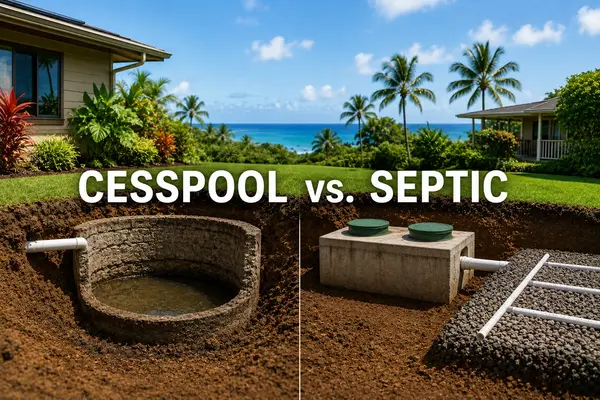
- Hire a separate specialist to evaluate the septic or cesspool system, this generally isn't covered by a general home inspection
- If buying a condo or HOA property, track the separate document review deadline, it's not the same as the inspection deadline
- Know your exact inspection period end date, and don't let it lapse without a decision
Common Misconceptions
What I Tell My Clients
Because Hawaii doesn't license home inspectors, I always encourage clients to ask direct questions before hiring one, how long have they been inspecting homes specifically on Kauaʻi, how many inspections have they actually completed, and have they dealt with island-specific issues like wear from the elements or electrical concerns before. Credentials like ASHI's full certification or a Certified Master Inspector designation reflect real, substantial experience, but the honest answer is that the number of inspections someone has actually completed tells you more than which logo is on their card. A generic inspection checklist written for a mainland climate can genuinely miss things that matter here. I also remind clients that a septic or cesspool system needs its own specialist, it's not something a general inspector typically covers. And I make sure clients know exactly when their inspection period closes, since that date matters more than people realize until it's already passed. One thing I want every buyer to hear: finding termite evidence on a Kauaʻi property is common, and it's not a reason to panic or walk away. It's a normal, treatable part of buying here. What it actually means for you depends on which type of termite is involved, and I always encourage clients to weigh the real extent of any damage against the cost of repair or treatment, rather than reacting to the word "termite" itself. A small, localized issue and a widespread structural one call for very different conversations.
Frequently Asked Questions
No. Hawaii is one of only 14 states with no state licensing requirement for general home inspectors, so checking an inspector's certifications and experience directly is especially important here.
Yes. ASHI's full certification requires 250 completed, paid inspections and a national exam, while InterNACHI's entry certification is coursework and exam based without a completed-inspection requirement. Beyond both, the Certified Master Inspector (CMI) designation is awarded independently and generally requires 1,000 or more completed inspections, reflecting substantial real-world experience rather than a simple step up from either organization.
Generally yes. Termite inspection is standard in most Hawaii purchase contracts, and it's specifically required for VA-financed purchases due to Hawaii's exceptionally high termite risk.
Termite activity, wear from sun, rain, and salt air, moisture and mold, and proper electrical operation, including checking that breakers aren't double-tapped, are all common, significant findings specific to Kauaʻi's climate.
Usually not. Septic and cesspool systems typically require a separate, specialized inspector, since evaluating them requires different expertise and often direct access to the system itself.
Commonly 14 days, though it's negotiable between buyer and seller. This period, often called the J-1 Period, is generally the buyer's clearest opportunity to cancel the contract for any reason and receive a full deposit refund.
Not necessarily. Termites are common in Hawaii, and finding evidence of them is a normal part of the process, not automatically a dealbreaker. Widespread drywood termite infestations are typically resolved with tent fumigation, while subterranean, or ground, termites are usually treated with soil or baiting treatments instead.
Typically the seller, if the termite inspection report reveals live termites, standard practice in most Hawaii purchase contracts has the seller pay for the recommended treatment before closing.
Sources
Hawaii Business Magazine, "Are Home Inspectors Regulated (Licensed) in Hawaii?", citing the state's official assessment under Section 26H-2, HRS
State of Hawaii Department of Commerce and Consumer Affairs, Pest Control Board, pest control operator licensing requirements, including the termite (Branch 3) license
U.S. Department of Veterans Affairs, Local Requirements: Wood-Destroying Insect Information, confirming Hawaii as a state requiring inspection statewide, per Chapter 12, Section 33 of the VA Lenders Handbook
International Association of Certified Home Inspectors (InterNACHI); American Society of Home Inspectors (ASHI); Master Inspector Certification Board (Certified Master Inspector)
This article is intended for educational purposes only and does not constitute legal, financial, or engineering advice. Specific inspection requirements, contract timelines, and financing conditions vary by property and lender. Buyers should review their actual purchase contract and consult their real estate agent and lender for guidance specific to their transaction.
Categories
Recent Posts